Animal Character Illustrations: Your Next Creative Asset
The Personality and Visual Appeal of Animal Characters
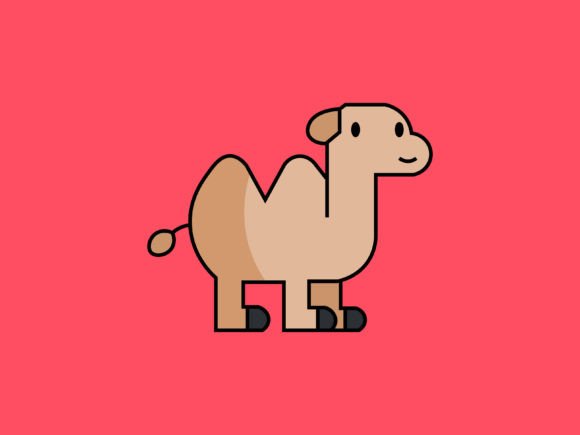
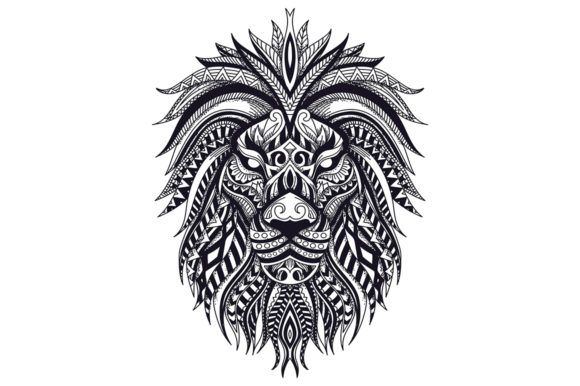
When you first encounter a set of Illustration Character Animal assets, you're not just looking at a collection of shapes. You are meeting a cast of personalities. These characters are designed with distinct visual characteristics that make them immediately relatable. Think of the confident posture of a lion, the gentle curve of a deer's neck, or the playful tilt of a rabbit's head. Each illustration is crafted to convey a specific mood and personality, from mischievous and energetic to calm and trustworthy.
The style of these illustrations often balances between stylized realism and charming abstraction. They might feature clean lines, thoughtful color palettes, and subtle textures that give them depth without overwhelming the viewer. This approach creates a modern, friendly aesthetic that feels both professional and approachable. The overall appeal lies in their versatility; they can be the friendly face of a children's brand, the sophisticated mascot for a financial app, or the whimsical element in a greeting card line. The key is that they are not generic. A well-designed Illustration Character Animal set provides a toolbox of emotions and identities you can deploy in your projects.
Where These Characters Truly Shine: Applications Across Industries
The real value of these assets becomes clear when you consider their applications. For designers and brand strategists, these characters are a shortcut to building a memorable brand identity. A thoughtfully chosen animal character can become the cornerstone of a logo, packaging design, or website, instantly communicating brand values like loyalty, agility, or creativity. Imagine a coffee brand using a wise owl character across its cups and social media, or a tech startup using a clever fox to represent innovative problem-solving.
For marketers and content creators, these illustrations are gold for editorial design and social media graphics. A blog post about productivity gains a relatable anchor with a focused beaver character. An Instagram story about sustainability feels more personal with a gentle bear advocating for the cause. They break up text-heavy content, increase engagement, and make complex ideas more digestible. Publishers and bloggers can use them to create consistent visual narratives across book covers, article headers, and newsletter graphics, building a recognizable visual language that readers come to associate with their content.
Even for personal projects, the applications are endless. Crafters can incorporate these design assets into custom stationery, t-shirt designs, or home decor prints. Hobbyists can use them to personalize planners, create unique gifts, or develop their own storybooks. The commercial license that often accompanies a premium set means small business owners can confidently use them on products for sale, from merchandise to digital templates, without worrying about legal complexities.
Making Smart Choices: Selecting and Implementing Your Characters
Choosing the right set is more than just picking animals you like. It's a strategic decision. Start by evaluating the project's fit. What is the core emotion or message you need to convey? A set full of playful, cartoon-style animals might be perfect for a children's party planner but less suitable for a corporate law firm's annual report. Look at the style consistency across the set. Do the characters share a common visual language in terms of line weight, shading, and proportion? This ensures they can be used together seamlessly.
Testing is crucial. Don't just look at the characters in isolation. How do they interact with your chosen typography? A bold, modern display font might clash with a delicate, handwritten font used in the character's accompanying speech bubble, if included. Create a mockup of your key deliverable—a website header, a product label, a social media post—and see how the character works within that specific context. Does it dominate the space or complement it? Does it maintain clarity when scaled down for a favicon or blown up for a poster?
Pay close attention to the included styles and file formats. A versatile set will offer various poses, expressions, and perhaps even accessory options. The standard delivery usually includes high-resolution JPG files for immediate use in digital and print layouts, as well as EPS files. The EPS format is the professional's choice, as it's a vector format that allows for infinite scaling without loss of quality. This is essential for large-format printing or when you need to adjust colors to match your brand palette precisely. Always review the licensing terms to understand the scope of commercial use, ensuring it aligns with your project's distribution and goals.
A Final Note on Integration
Ultimately, the power of an Illustration Character Animal lies in its ability to add a layer of narrative and emotion to your work. It’s a creative font in the visual sense—a tool for speaking a different language. Use it to tell a story, to simplify a message, or to create a moment of connection. When chosen and implemented thoughtfully, these characters do more than decorate a page; they become an integral part of the communication, enhancing readability through visual interest, establishing a clear visual hierarchy, and making your brand or project instantly more recognizable and engaging. They are a practical, powerful asset in any modern creative toolkit.