Animal Illustrations: A Designer's Guide to Whimsical Branding
There is a specific kind of magic that happens when you stop relying on generic stock photography and start using custom artwork to define a brand’s voice. We are moving away from the cold, sterile look of the last decade and embracing designs that feel tactile, warm, and distinctively human. This shift has brought Animal Illustrations back into the spotlight, not just as cute decorations, but as powerful storytelling tools. If you have been scrolling through design trends lately, you have likely noticed that hand-drawn aesthetics are dominating everything from coffee packaging to mobile app interfaces.
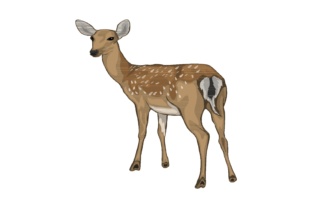
Today, we are taking a deep dive into a specific asset that exemplifies this trend: the Animal Illustration of a Deer. This isn't just a clip-art file; it is a versatile piece of vector art designed for professionals. Whether you are a small business owner building a brand identity from scratch or a seasoned graphic designer looking to speed up your workflow, understanding how to leverage assets like this can transform your creative output. We will look at the visual style, the technical file formats (specifically the EPS file and JPG file), and the practical applications that make this type of artwork a staple in the modern design toolkit.
The Visual Personality of the Deer Illustration
When we talk about "personality" in illustration, we are really talking about the line work and the texture. A generic vector deer can feel lifeless, but a high-quality Animal Illustration retains the artist's hand. Typically, these assets feature a blend of organic shapes and structured geometry. You might see a "low-poly" aesthetic, which gives the animal a modern, geometric feel, or a flowing, organic line art style that evokes a sense of nature and tranquility.
The deer itself is a potent symbol. In branding, it represents gentleness, grace, and natural beauty. However, the visual treatment changes the meaning entirely. A geometric, sharp-edged deer feels innovative and tech-forward—perfect for a startup or a modern app. A sketchy, textured deer feels rustic and authentic, ideal for an organic farm or a craft brewery. This specific asset provides a foundational character that you can colorize and manipulate to fit your exact narrative.
Because this is a premium font style asset (referring to the quality of the artwork), it avoids the "pixelation" issues found in lower-quality downloads. The lines are clean, and the curves are smooth, ensuring that whether you scale it up for a billboard or down for a favicon, the integrity of the design remains intact. It bridges the gap between handwritten font aesthetics and professional vector precision.
Technical Versatility: Working with EPS and JPG Files
One of the most common frustrations I hear from clients and junior designers is file compatibility. You buy a design asset, but you can't edit it because it's the wrong format. This is where the inclusion of both an EPS file and a JPG file becomes critical for your workflow.
The EPS file (Encapsulated PostScript) is the workhorse for professional designers. If you are using Adobe Illustrator, Affinity Designer, or CorelDRAW, this is the file you need. It is a vector format, meaning the illustration is built on mathematical equations rather than pixels. Why does this matter? It means you have infinite scalability. You can make the deer the size of a postage stamp or the size of a building without losing quality. Furthermore, the EPS format allows you to ungroup the elements. You can change the color of the deer’s antlers, remove the background, or integrate the animal into a complex logo design without restrictions. It is fully editable vector art.
The JPG file is your "plug-and-play" solution. If you are a blogger, a social media manager, or a hobbyist who doesn't have access to complex vector software, the JPG is your best friend. It is ready to drop into Canva, WordPress, Microsoft Word, or PowerPoint. It’s optimized for web use, ensuring fast load times for your web design projects while maintaining high visual fidelity.
Strategic Applications for Branding and Marketing
Having the file is one thing; knowing how to use it is another. Animal Illustrations are incredibly flexible, but they need to be deployed with strategy to be effective.
1. Logo Design and Brand Identity
The deer illustration is a prime candidate for logo design. However, avoid the trap of simply using the illustration as the logo. A strong brand identity involves pairing the illustration with the right typeface. If the illustration is organic and flowing, pair it with a sans serif font for a clean, modern contrast. If the illustration is geometric, try pairing it with a sturdy serif font to ground it. The goal is to create a lockup—where the icon and the text feel like a single unit.
2. Packaging Design and Editorial Layouts
For physical products, especially in the food, beverage, or cosmetics industries, texture sells. Use the deer illustration as a central motif on packaging. It works beautifully on craft paper or kraft textures. In editorial design, such as magazine layouts or book covers, these illustrations can break up large blocks of text, acting as visual anchors that guide the reader's eye through the page.
3. Digital Presence and Social Media Graphics
On Instagram or Pinterest, unique visuals stop the scroll. A custom animal illustration adds a layer of professionalism that standard stock photos cannot match. Use the deer as a watermark on photos, a character in your stories, or a header image for a LinkedIn article. It helps build a consistent visual language across your social media graphics.
Choosing the Right Typography Pairings
An illustration rarely lives alone; it almost always needs text. Choosing the right font pairing is essential to ensure the illustration doesn't clash with your message.
Because animal illustrations often carry a lot of personality, your typography needs to support it, not fight it. If you are using the deer for a luxury brand, consider a high-contrast script font or a refined serif font. If the deer is for a children’s brand or a casual outdoor blog, a rounded sans serif font or a playful handwritten font will harmonize better.
Pay attention to visual hierarchy. The illustration is likely the focal point (the "hero"), so your text should be secondary. Use modern typography principles: keep your headlines bold and your body copy legible. Don't let the complexity of the illustration make your text unreadable. Sometimes, placing the text on a solid color block next to the illustration works better than overlaying text directly on top of the detailed artwork.
Practical Considerations for Licensing and Usage
Before you finalize your purchase or download, you must consider the commercial aspect. Most premium design assets come with a license that dictates how you can use them.
- Personal vs. Commercial: Ensure the license allows for commercial use if you plan to sell products featuring the deer. If you are just using it for a personal blog, standard licenses usually suffice.
- Print on Demand: Check if the license allows for "print on demand" (POD) usage. Some licenses restrict you from selling the artwork as-is on t-shirts or mugs; others encourage it.
- Attribution: Some free assets require you to credit the artist. Premium assets usually do not, but always read the fine print.
Always test the files before you build your entire campaign around them. Open the EPS file in your software. Try changing the colors. Open the JPG file and see how it looks on a dark background versus a light one. This "pre-flight" check saves you headaches later.
Ultimately, incorporating Animal Illustrations like this deer into your work is about elevating your message. It shows that you care about the details, that you value unique aesthetics, and that you are willing to go the extra mile to connect with your audience visually. Whether you are building a brand identity, designing a book cover, or crafting a social media campaign, this asset offers the flexibility and quality needed to make your project stand out.