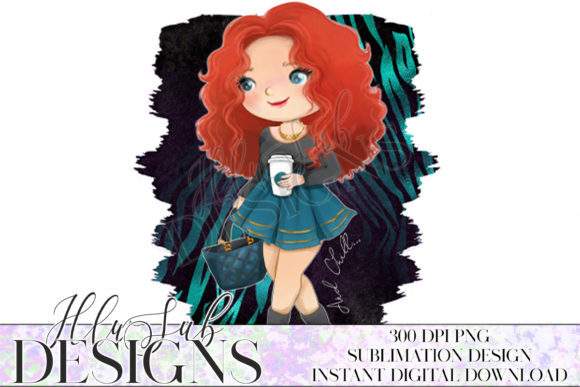
Red Head Animal Print Design: A Bold Creative Asset
Where This Design Truly Shines
- Fashion & Accessories: It transforms a simple tote bag into a fashion statement. Imagine it on a clutch, a scarf, or the back panel of a denim jacket. The design holds its own on apparel, making a bold t-shirt or hoodie that starts conversations.
- Home Decor: This is where it gets fun. A throw pillow with this print becomes the centerpiece of a sofa. On a ceramic mug, it turns a morning coffee routine into a moment of personal style. It can even work on a statement wall art piece or a unique shower curtain.
- Digital & Branding: For entrepreneurs and content creators, this design is a branding shortcut. It instantly communicates a personality that's confident, creative, and a bit edgy. Use it as a hero image on a website, a standout background for social media graphics, or even as the core visual for a podcast cover. It’s a ready-made piece of brand identity.
Practical Guidance for Working with This Asset
For full creative control—resizing, recoloring, adding text, or integrating it into a complex layout—you'll want a robust graphics editor. Adobe Photoshop is the industry standard for raster (pixel-based) work, perfect for adjusting the image's curves or slicing it for web use. Affinity Designer is a powerful, one-time-purchase alternative that handles both vector and raster tasks beautifully. If you're on a budget, GIMP is a free, open-source option that can accomplish most of what you need.
For simpler projects, especially those involving text and basic layouts, you might not need a full design suite. Microsoft Publisher or even Microsoft Word can work for creating a flyer or a simple social media post where you place the image behind a text box. LibreOffice Writer is a fantastic free alternative for this kind of basic composition. The choice isn't about which program is "best," but which one is right for your specific task and skill level.
Font Pairing and Readability Considerations
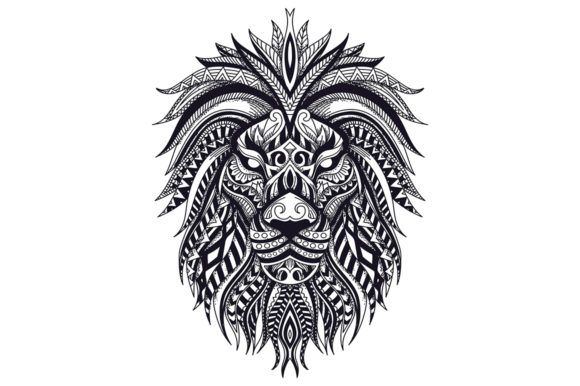
If you're using this design as a background for text, font pairing becomes critical. The busy, high-contrast nature of the animal print and portrait means your text needs to be highly legible. A bold, clean sans serif font often works best. Think of typefaces like Montserrat, Bebas Neue, or Futura in a heavy weight. Their simple, geometric shapes won't compete with the intricate details of the design.
You could also experiment with a script font or handwritten font for a headline, but use it sparingly. The key is contrast. If the background is complex, the typography should be simple. Always test your text over the design at the actual size it will be viewed. Zoom in. Can you read every letter clearly? If not, try adding a subtle semi-transparent black or white overlay behind the text to create separation, or choose a less busy section of the design to place your text.
Remember, the Red Head Animal Print Design is a premium font and graphic hybrid in terms of its impact. It’s a display font in visual weight—it's meant to be seen, not to set long paragraphs. Use it as you would a powerful serif font for a headline or a striking piece of logo design. Its job is to create an emotional response and establish a visual hierarchy that guides the viewer's eye. By respecting its bold personality and pairing it with thoughtful, readable typography, you can create designs that are not only beautiful but also effective and professional. This is how you turn a striking piece of art into a functional and memorable part of your brand identity.